Table of Contents
ToggleIntroduction
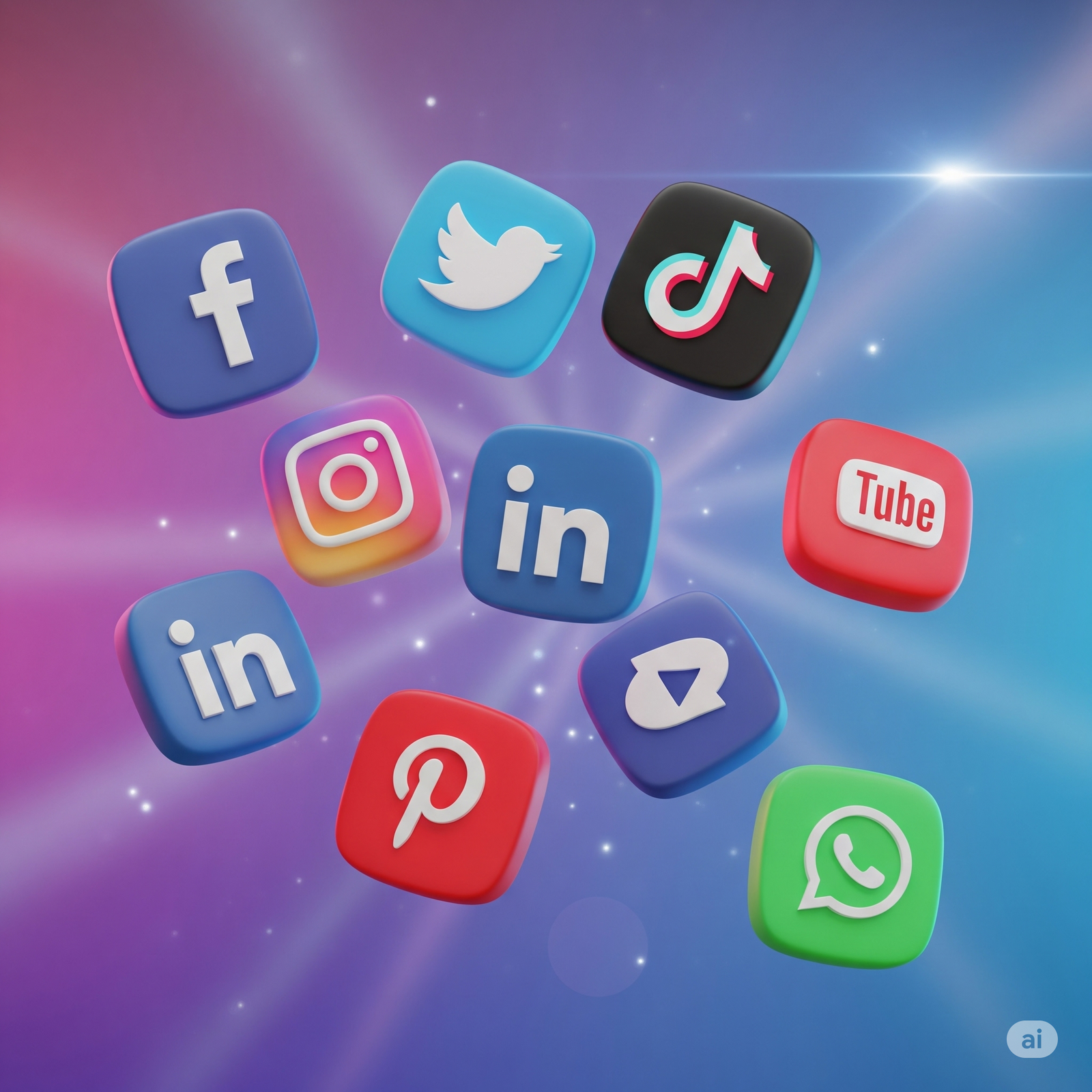
In the 21st century, social media has become one of the most powerful forces shaping modern society. What began as simple platforms for connecting with friends has evolved into a global ecosystem influencing how people communicate, learn, do business, and even govern. Facebook, Instagram, Twitter (now X), TikTok, YouTube, and numerous other platforms have not only transformed personal interactions but also redefined culture, politics, education, and the economy. With over 5 billion social media users worldwide as of 2025, it is undeniable that this phenomenon has deeply permeated nearly every aspect of daily life.
This article explores the positive and negative impacts of social media on modern society, including its role in communication, relationships, education, business, politics, culture, and mental health. By analyzing both the benefits and challenges, we can better understand how this digital revolution is shaping the present and future of humanity.
The Evolution of Social Media
The origins of social media trace back to the early 2000s with platforms like MySpace, Friendster, and Orkut, which allowed users to create profiles, share content, and connect with others. Facebook, launched in 2004, revolutionized the concept by introducing a user-friendly interface and global networking opportunities. Soon after, Twitter (2006), Instagram (2010), Snapchat (2011), TikTok (2016), and LinkedIn became central to the social experience.
Today, social media is not merely about socializing. It is a multifunctional ecosystem where people shop, learn, express opinions, advocate for causes, build careers, and consume news. This transformation has made social media both a mirror of society and a driver of societal change.
Positive Impacts of Social Media
Enhanced Communication
The most significant impact of social media is the elimination of geographical barriers. People can instantly connect with friends, family, and colleagues across the world through text, video calls, and interactive platforms. Communities built on shared interests flourish, providing a sense of belonging to individuals who might otherwise feel isolated.
Education and Learning Opportunities
Social media platforms like YouTube, LinkedIn Learning, and even Instagram or TikTok (through short educational clips) serve as digital classrooms. Students can access lectures, tutorials, and discussions from experts across disciplines. Online study groups, academic forums, and digital libraries have democratized knowledge, making learning more accessible.
Economic Growth and Business Opportunities
Social media has revolutionized marketing. Businesses—both small and large—use platforms for advertising, customer engagement, and brand building. Influencer marketing has created new career opportunities, while e-commerce integration allows direct sales through platforms like Instagram Shops or Facebook Marketplace. Startups especially benefit from the cost-effective reach of social media marketing.
Political Awareness and Social Movements
Social media is a powerful tool for political communication and activism. Movements like the Arab Spring, #MeToo, and Black Lives Matter gained momentum through social platforms, giving voice to marginalized groups. Politicians use social media to reach voters directly, bypassing traditional media channels. Citizens, in turn, gain platforms to express opinions and hold leaders accountable.
Cultural Exchange and Globalization
By enabling cross-cultural interactions, social media fosters cultural exchange. People discover global trends in music, fashion, food, and art. Memes, viral challenges, and shared digital experiences create a sense of global community. This connectivity accelerates globalization and cultural blending.
Social Good and Philanthropy
Crowdfunding campaigns, charity drives, and disaster-relief initiatives thrive on social media. Platforms amplify urgent causes, enabling individuals and organizations to mobilize resources quickly. For example, during natural disasters, social media serves as an essential tool for spreading awareness and raising funds.
Negative Impacts of Social Media
Despite its benefits, social media poses significant challenges to modern society.
Reduced Productivity
Social media platforms are designed with algorithms that maximize engagement, often leading to reduced productivity-like behaviors. Excessive scrolling, notifications, and dopamine-driven reward cycles reduce productivity, both at work and in academics. “Digital burnout” has become a recognized issue in modern workplaces.
Spread of Misinformation
Fake news and misinformation spread rapidly through social media. Political propaganda, health myths (such as false information about vaccines), and conspiracy theories gain traction due to algorithmic amplification. This undermines trust in institutions and poses serious risks to democracy and public health.
Privacy Concerns
Social media platforms collect vast amounts of personal data, raising concerns about privacy and surveillance. High-profile cases of data breaches, such as the Cambridge Analytica scandal, highlight how user information can be exploited for political or commercial gain.
Social Polarization and Echo Chambers
Algorithms often reinforce users’ existing beliefs by showing them similar content, creating echo chambers. This contributes to political polarization, intolerance, and even hate speech. Instead of fostering open dialogue, social media can deepen divisions within society.
Negative Effects on Relationships
While social media connects people, it can also strain relationships. Excessive virtual interactions sometimes replace meaningful face-to-face connections. Jealousy, trust issues, and misunderstandings arise due to overexposure of personal lives online.
The Role of Social Media in Specific Spheres
Education
Social media aids distance learning and collaborative education but also distracts students. Teachers and institutions now integrate platforms into their curriculum, balancing learning opportunities with potential risks of distraction.
Business and Marketing
The rise of digital marketing has made businesses more customer-centric. Companies rely on real-time feedback and reviews to shape products. However, negative publicity spreads quickly, forcing businesses to manage online reputations carefully.
Politics and Governance
Governments use social media for public communication and policy promotion. At the same time, opposition groups leverage it for protests and criticism. While it strengthens democracy by amplifying voices, it also poses risks of manipulation through bots and disinformation campaigns.
Culture and Entertainment
Social media has disrupted traditional entertainment industries. Artists, musicians, and filmmakers distribute content directly to audiences without intermediaries. However, it also raises issues of copyright infringement and content piracy.
Personal Identity and Expression
Platforms empower individuals to express their identities, beliefs, and creativity. Yet, the pressure to conform to social media trends often limits genuine self-expression, leading to performative behavior.
The Future of Social Media
Looking ahead, social media will likely continue evolving with advancements in artificial intelligence (AI), virtual reality (VR), and augmented reality (AR). Metaverse concepts aim to transform social platforms into immersive spaces for work, play, and commerce.
However, concerns about ethical regulation, mental health impacts, and digital rights will grow stronger. Governments, tech companies, and civil societies will need to collaborate to ensure social media fosters inclusivity, authenticity, and safety while minimizing harm.
Conclusion
Social media is undeniably one of the most transformative forces in modern society. It has revolutionized communication, education, business, politics, and culture, making the world more interconnected than ever before. Yet, it also poses serious challenges such as misinformation, mental health issues, addiction, and privacy concerns.
The impact of social media is not inherently positive or negative—it depends on how individuals, communities, and institutions use it. As society progresses, it is crucial to promote digital literacy, ethical technology use, and responsible regulation. By striking a balance, social media can remain a tool that empowers people while minimizing its risks.
Ultimately, the story of social media is still being written, and its true impact will depend on our collective ability to harness its potential responsibly.